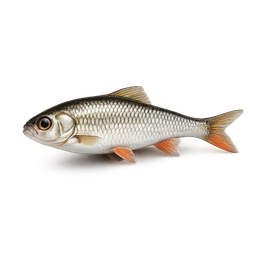
Livebait
AI analysis
Medium confidence
8/10
Live bait is a reliable and effective lure for predators with consistently high ratings in solo catches, but limited evidence and conflicting results in combo scenarios warrant cautious interpretation.
Live bait demonstrates exceptional effectiveness based on 8 solo reports (average rating 4.8/5), including three new September reports rated 5/5: trophy pike 4.2 kg, diverse catch across 8 fish species, and large-sized perch. However, 5 combo reports (average rating 3/5) show substantial ambivalence when live bait competes with other hook baits, particularly earthworm and maggot. Data support live bait as a specialized and reliable primary lure for targeted predator fishing under favorable conditions, but its advantages in mixed techniques remain unclear.
Best conditions
Predominantly clear to cloudy weather with light to moderate wind (6–20 km/h); optimal in July–September; water temperature 11–23°C; calm to moderate conditions.
Best target fish
Pike, perch, and zander (dominant in successful solo catches); also carp, crucian carp, bream, catfish, and other coarse and predatory species.
- Live bait works best as the sole hook bait without competition from other lures—specialized rather than combined technique yields highest results.
- September catches showed exceptional results (trophy pike, diverse species)—concentrated live bait fishing during this month is particularly recommended.
- Live bait size is critical; previous reports indicated failure with oversized specimens—adjust size to match your target species.
Solo sample remains relatively small (8 reports), though consistent and highly rated; combo reports (5) comprise 38% of the sample and show substantially lower results, seriously complicating conclusions about effectiveness in mixed techniques. Data cover predominantly September and July–August; spring, winter, and early spring effectiveness remain underrepresented. Live bait size dependency is not standardized across reports. One report involving marine species (scad) and one with extreme cold (−8 to −11°C) are atypical and require cautious generalization.