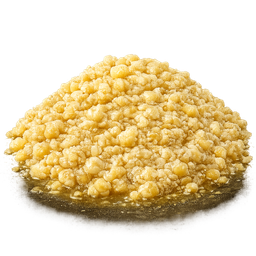
Pellet
AI analysis
High confidence
8/10
Peas remain a solid bait with a rating of 8/10, but new October–September reports (all combo scenarios) reduce confidence in its standalone contribution.
Updated statistics (33 solo reports, average 4.3/5; 46 combo reports, average 4.0/5) support the 8/10 rating. Three new reports—all combo scenarios (no new solo cases); given this, the proportion of solo evidence dropped to 42% (though absolute solo numbers grew by 2 as the database expanded). Report #2 (rainy day, 5/5 rating, three species) is the strongest evidence in recent rounds, but peas were used there as groundbait alongside maggot (hook bait), commercial baits and corn, so causal attribution remains unclear. Reports #1 and #3 have ratings of 3/5 and 4/5 in combo competition with other hook baits, indicating inconsistent advantage.
Best conditions
September–October with moderate temperatures (10–22°C), rain or cloud cover, light wind (up to 11 km/h). New reports show success in clear weather too (18°C, 0 mm precipitation), but the best catch (5/5, 3 fish species) came on a rainy day with dark skies and cold (14°C max, 7.85 mm precipitation).
Best target fish
Ide, roach, and crucian carp as the most consistent targets in new reports. Peas as hook bait showed mixed results (success in combo scenarios with roach and crucian carp, but no direct proof of decisive contribution). Carp and bream also occur, but with caution—one bream on Pop Up (rating 3/5, very warm weather).
- Peas as groundbait show greatest potential on rainy October days with cold (10–14°C max) and cloud cover—such conditions often bring heavy ide and roach bites.
- For hook fishing with peas, use as an alternative in combo scenarios: maggot, dough, and corn often outperform, especially in warm or clear weather (18–29°C).
- Combining peas as groundbait with a rainy forecast and new moon may boost chances of 5/5 sessions—two of the latest highest ratings came under these exact conditions.
All three new reports are combo scenarios (no new solo cases), deepening the attribution problem already present in the previous batch. While the solo evidence base remains strong (33 reports), the new batch added no isolated success, raising doubts about its standalone effectiveness in the current period. One report (#1)—in extreme heat (29°C max, 15 km/h wind) yielded a low rating of 3/5, suggesting peas' limitations in unfavorable conditions. The seasonal picture remains concentrated on September–October; winter, spring, and summer are insufficiently covered for full assessment.