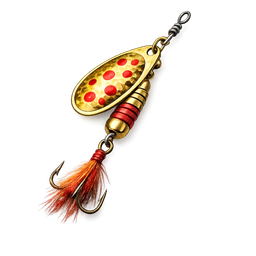
Mepps
AI analysis
High confidence
8/10
Reliable spinner with moderate effectiveness of 3.9/5 based on 104 solo reports, but with clear seasonal dependency and variability in autumn conditions
Mepps lures maintain consistent effectiveness on a large solo sample (104 reports, average 3.9/5), however 15 new solo reports from September–October reveal sharp variability: 4 fives, 4 fours, but also 7 twos and threes. Perch and pike remain the primary target species, but success heavily depends on weather and time of day. Aglia 3 retains the most stable reputation, but Aglia 2 silver 4.5g shows unpredictability even in similar conditions. One combo report (#16) competed with another spinner of the same size, complicating direct attribution.
Best conditions
Works best in cloudy, rainy, and overcast conditions (September: Drizzle, Rain) with temperatures of 14–20°C and moderate wind 5–13 km/h; especially effective at dawn and early morning; weaker results in warm weather (24–25°C) without precipitation and in strong wind (18+ km/h)
Best target fish
Perch (most consistent) and pike (size varies from small to trophy); vast majority of reports concern these two species
- Aglia 3 demonstrates the most consistent results among named Mepps models — consider it your primary choice for perch and pike
- The spinner is most effective in rainy and cloudy conditions with temperatures of 14–20°C; avoid high expectations in warm dry weather (24°C+)
- Dawn and early morning hours significantly increase your chances of success — several top reports (5/5) occurred in the morning with rain
- Steady retrieve in shallow water and near shore shows good results for perch; pike requires more active retrieve in deeper spots
Best categories
- 1Блешня3.9(131)
New data (15 reports) reveals high variability in mid-to-late season, contradicting the initial rating of 4/5; the cause remains unclear — fish activity changes, seasonal dynamics, or angler error may be factors. One combo report (#16) contains a competing Aglia 1 spinner, weakening confidence in this catch. Data covers primarily September–October; spring, summer, and winter patterns remain limited. Most reports lack specific lure size, depth, or retrieve technique details, obscuring potential variation within the product line and methodology.